Brussels sprouts are one of the most rewarding vegetables you can grow in your backyard garden. They taste nothing like the soggy, bitter ones from the grocery store. Fresh-picked sprouts — especially after a light frost — have a naturally sweet, nutty flavor that is hard to beat. Learning how to grow brussel sprouts takes some patience, but the results are absolutely worth it. These cool-season vegetables grow best across most of the US, from the Midwest to the Pacific Northwest. They go from seed to harvest in about 80 to 120 days. This guide walks you through every step — from starting seeds indoors to picking firm, flavorful sprouts straight from the stalk in your own backyard.
How Long Do Brussels Sprouts Take to Grow?
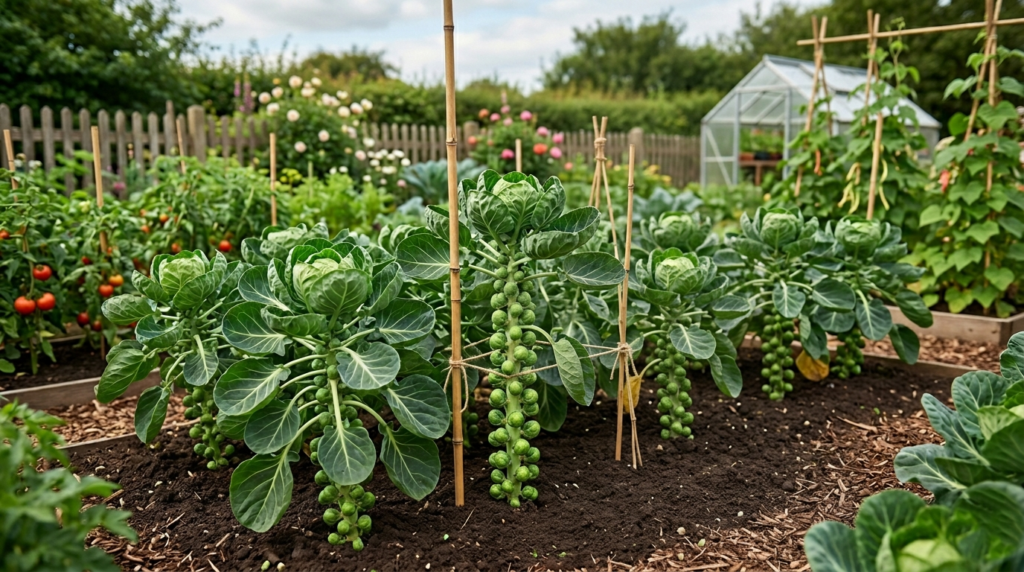
Brussels sprouts are a slow and steady crop. After transplanting seedlings outdoors, expect to wait 80 to 120 days before your first harvest. That’s nearly the entire growing season. But that wait pays off with fresh, frost-sweetened sprouts right from your backyard.
They require patience because they need cool temperatures to form tight, flavorful sprouts properly.
Brussels Sprouts Growing Stages
- Seed Starting – Begin indoors 8–10 weeks before your last frost date
- Seedling Development – Small leaves appear within 7–10 days
- Transplanting Outdoors – Move plants outside in early spring
- Vegetative Growth – Plants focus on building strong stalks and leaves
- Sprout Formation – Tiny sprouts begin forming along the stalk from bottom to top
Best Time to Plant Brussels Sprouts
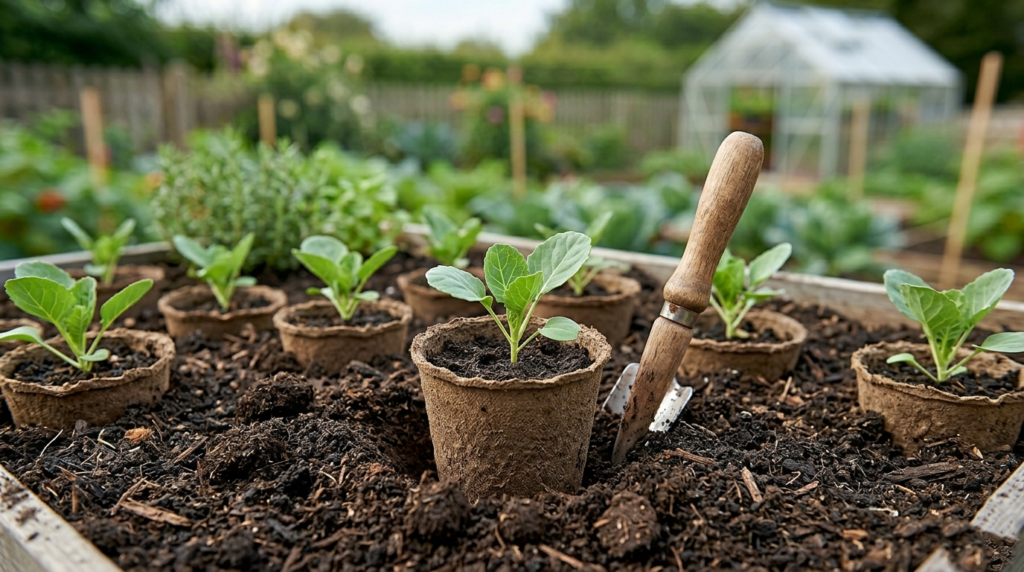
Spring Planting for Fall Harvest
In most US regions, plant Brussels sprouts in early to mid-spring. This gives plants enough time to mature before cold weather arrives. In zone 5 states like Wisconsin or Minnesota, aim for late April.
Fall Planting in Mild Winter Regions
In warmer states like California, Texas, or Florida, plant in early fall for a late winter harvest. Cool temperatures help sprouts form tightly and taste sweeter.
Finding Your Local Frost Dates
Check the USDA Plant Hardiness Zone Map or visit PlantMaps.com to find your exact frost dates before planning your planting schedule.
Choosing the Best Variety of Brussels Sprouts
Picking the right variety makes a real difference in your harvest.
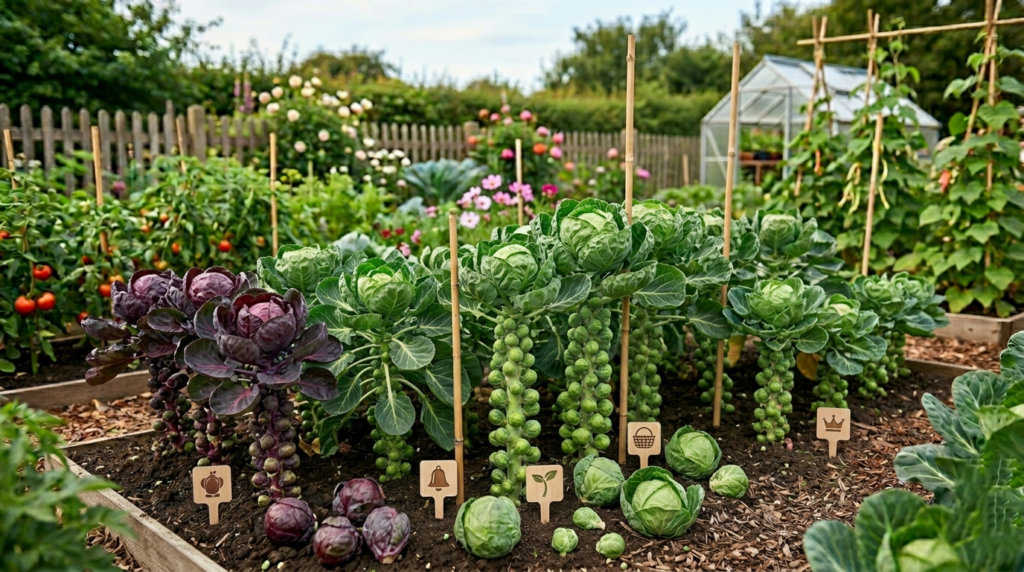
Popular Green Varieties
- Jade Cross – compact and highly productive
- Long Island Improved – classic American favorite, great for beginners
- Diablo – known for strong yields and firm sprouts
Purple Brussels Sprouts
- Red Rubine – a stunning deep-purple variety with a slightly nuttier flavor
- Purple varieties are less productive but add beautiful color to your garden and plate
How to Grow Brussels Sprouts from Seed
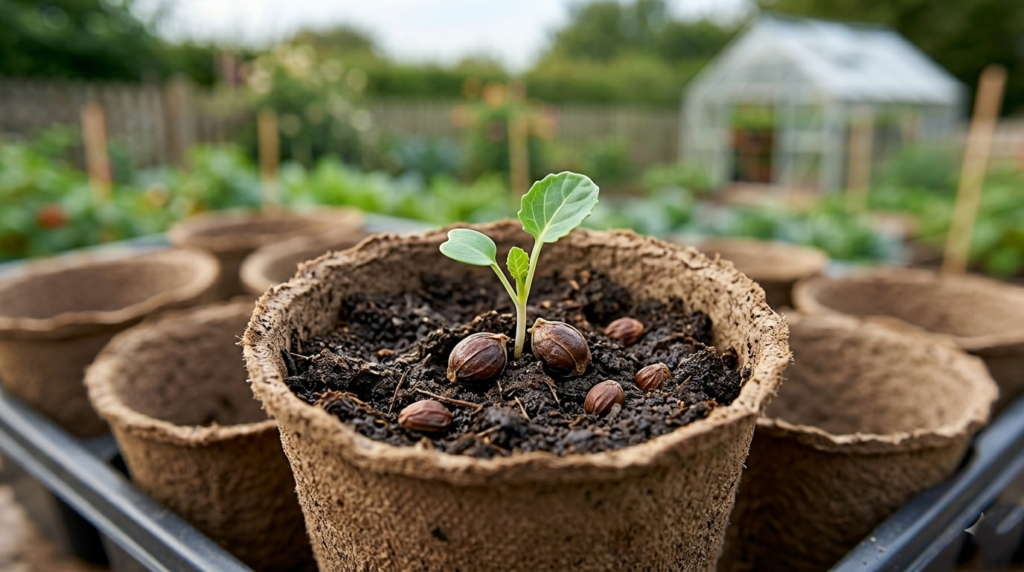
Starting Seeds Indoors
Start your seeds indoors 8 to 10 weeks before your last frost date. Most US gardeners begin in late February or early March. Use small seed trays or cell packs filled with quality seed-starting mix.
Seed Germination Tips
- Keep soil temperature between 65°F and 75°F for best germination
- Seeds typically sprout within 7 to 10 days
- Place trays near a sunny window or under grow lights
- Keep soil consistently moist but never waterlogged
Hardening Off Seedlings
Before transplanting outdoors, gradually expose seedlings to outside conditions over 7 to 10 days. Start with one hour daily, then slowly increase outdoor time. This strengthens young plants and reduces transplant shock significantly.
Ideal Growing Conditions for Brussels Sprouts
Sunlight Requirements
Brussels sprouts need at least 6 to 8 hours of full sun daily. Pick the sunniest spot in your yard. Less sunlight means weaker plants and smaller sprouts.
Soil Requirements
Good soil makes a big difference. Brussels sprouts grow best in:
- Rich, fertile, and well-draining soil
- Soil packed with organic matter or compost
- A soil pH between 6.0 and 7.5
Test your soil before planting using an affordable home kit available at most US garden centers.
Temperature Preferences
Brussels sprouts are a cool-weather crop. They grow best when temperatures stay between 45°F and 75°F. Hot summers can slow sprout formation. That’s why spring planting for a fall harvest works so well across most of the United States.
How to Plant Brussels Sprouts
Spacing Requirements
Give your plants enough room to breathe and grow strong.
- Space plants 18 to 24 inches apart
- Keep 30 inches between rows
- Crowded plants compete for nutrients and produce smaller sprouts
Planting Depth
Plant seedlings at the same depth they were growing in their containers. Planting too deep can rot the stem. Firm the soil gently around the base after placing each seedling.
Watering After Transplanting
Water thoroughly immediately after transplanting. This helps roots settle into the new soil and reduces transplant shock.
Mulching Benefits
- Locks in soil moisture during warm spring days
- Keeps weeds from competing with young plants
- Regulates soil temperature as summer heats up across US growing regions
Caring for Brussels Sprouts Plants
Watering Schedule
Brussels sprouts need consistent moisture to thrive. Aim for 1 to 1.5 inches of water per week. Dry spells cause loose, poorly formed sprouts. During hot summer months across US regions, check soil moisture regularly.
Fertilizing Brussels Sprouts
These are heavy feeders. Feed them right:
- Use organic fertilizers like fish emulsion or balanced granular blends
- Side-dress plants by pulling back mulch, sprinkling fertilizer around the base, and scratching it lightly into soil
- Repeat feeding every 4 to 6 weeks through the growing season
Staking Tall Plants
Brussels sprout stalks can grow 2 to 3 feet tall. Use a wooden garden stake tied loosely to the main stem. This prevents plants from tipping over during strong winds.
Removing Lower Leaves
As sprouts develop, remove yellowing lower leaves. This improves airflow and directs the plant’s energy toward producing bigger, firmer sprouts.
Common Problems When Growing Brussels Sprouts and Pests and Diseases to Watch For
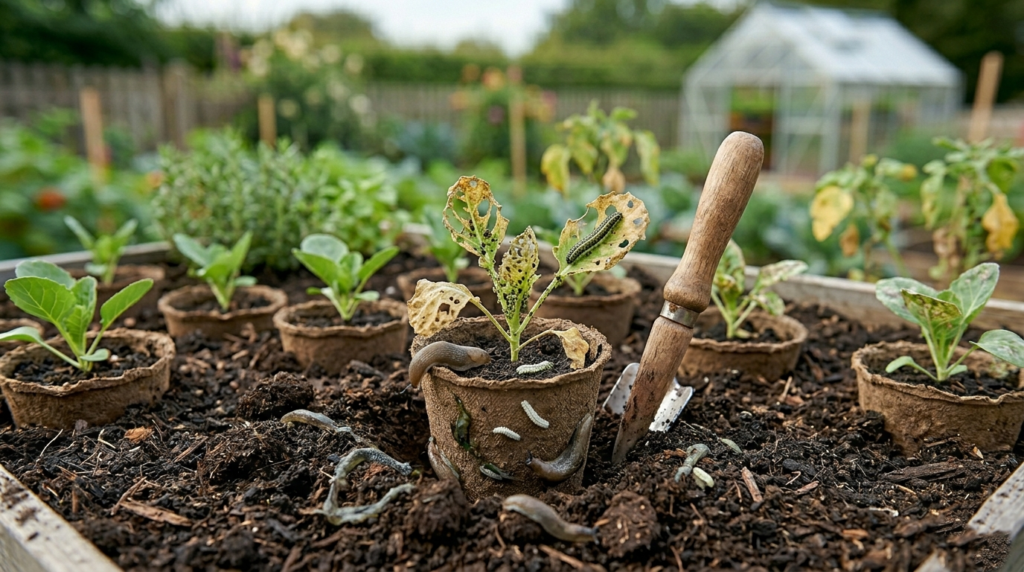
Growing Brussels sprouts comes with a few challenges. Knowing what to watch for keeps your plants healthy all season long.
Brussels Sprouts Not Forming Properly
Usually caused by poor soil fertility or inconsistent watering. Feed plants regularly and maintain steady moisture.
Small or Loose Sprouts
Often a sign of too much heat or insufficient nutrients. Side-dress with organic fertilizer and ensure plants get adequate water.
Yellowing Leaves
Typically indicates nitrogen deficiency or overwatering. Adjust your fertilizing and watering routine immediately.
Bolting in Warm Weather
High temperatures push plants to bolt before sprouts fully form. Plant on time to avoid this across US growing zones.
Cabbage Worms
The most common pest for US gardeners. These green worms chew through leaves quickly and damage developing sprouts.
Aphids
Small clusters of insects found under leaves. They weaken plants by draining sap steadily.
Cutworms
These soil-dwelling pests cut seedlings at the base overnight. Use cardboard collars around transplants for protection.
Clubroot and Downy Mildew
Fungal problems that thrive in wet, poorly drained soil. Rotate crops yearly to reduce risk significantly.
Natural Pest Control Methods
- Floating row covers – block insects immediately after transplanting
- Companion planting – grow garlic or onions nearby to repel pests naturally
- Neem oil and organic treatments – spray every 7 to 10 days for effective pest management
Companion Plants for Brussels Sprouts
Planting the right neighbors next to Brussels sprouts makes a real difference. Some plants repel pests naturally while others improve soil health.
Best Companion Plants
- Beets – grow well alongside Brussels sprouts without competing for nutrients
- Onions – their strong scent confuses and repels common cabbage pests
- Garlic – naturally deters aphids and cabbage worms effectively
- Herbs – dill, thyme, and sage attract beneficial insects that protect your plants
Plants to Avoid Nearby
Keep these away from Brussels sprouts:
- Strawberries – compete heavily for soil nutrients
- Tomatoes – both crops struggle when planted too close together
- Fennel – releases compounds into soil that inhibit Brussels sprouts growth significantly
How to Harvest and Store Brussels Sprouts
Picking Individual Sprouts
Start harvesting from the bottom of the stalk when sprouts reach 1 to 2 inches in diameter. Snap them off by hand or use a sharp knife. Work your way upward as upper sprouts mature gradually.
Harvesting the Entire Stalk
Cut the entire stalk at the base using garden pruners. This works well for large harvests before hard freezes hit across US growing regions in late fall.
Refrigeration Tips
- Store unwashed sprouts in a plastic bag in the refrigerator
- They stay fresh for up to two weeks
- Use within a few days for the best flavor
Freezing for Long-Term Storage
- Blanch sprouts in boiling water for 3 to 5 minutes
- Transfer immediately into ice water to stop cooking
Freeze in airtight bags for up to 12 months
Conclusion
Brussels sprouts are one of those vegetables that truly reward patient gardeners. From starting tiny seeds indoors to snapping firm, fresh sprouts off the stalk on a crisp fall morning — the process is deeply satisfying. Fresh homegrown sprouts taste sweeter, nuttier, and far better than anything found in a US grocery store. With the right soil, consistent care, and proper timing, even first-time gardeners can pull off a successful harvest. Start small with a few plants this season. Once you taste that first frost-kissed sprout straight from your own backyard, you will want to grow them every single year.
Frequently Asked Questions
Can I grow Brussels sprouts in pots or indoors?
Yes, absolutely. Choose a container at least 12 to 16 inches deep with drainage holes. Fill it with rich, fertile potting mix. Place the pot in your sunniest indoor spot or on a sunny patio. Growing Brussels sprouts indoors requires grow lights if natural sunlight is limited. Container plants need more frequent watering and fertilizing than garden-grown plants.
How do I grow Brussels sprouts from seeds and what temperature do they need?
Start Brussels sprout seeds indoors 8 to 10 weeks before your last frost date. Sow seeds about ¼ inch deep in seed-starting mix. Keep soil temperature between 65°F and 75°F for successful germination. Once sprouted, move seedlings under grow lights or near a bright window. Brussels sprouts grow best in outdoor temperatures between 45°F and 75°F.
How do I grow Brussels sprouts in the ground and when should I plant for Christmas?
Plant seedlings directly in the ground in early to mid-spring across most US regions. Space them 18 to 24 inches apart in full sun. For a Christmas harvest, count back 90 to 100 days from late December and transplant seedlings accordingly — typically around mid to late September in mild US regions like the Pacific Coast or Southeast.
What are the key Brussels sprouts growing stages?
Brussels sprouts go through six main stages — seed starting, seedling development, outdoor transplanting, vegetative growth, sprout formation, and final maturation. Each stage requires specific care. Sprouts begin forming along the stalk from bottom to top during mid to late summer and reach harvest size as fall temperatures drop.
Do Brussels Sprouts Come Back Every Year?
No. Brussels sprouts are an annual vegetable crop. They complete their full life cycle in one growing season and do not return on their own the following year. To enjoy fresh homegrown sprouts each fall, you will need to replant seeds or purchase new seedlings every single spring season.