I have grown mint in my backyard for years, and it never gets old. There are so many types of mint out there, each with its own smell, taste, and purpose. Some are great for cooking. Others work well as ground cover or even in water features. A few are perfect for making cocktails right from your garden. Mint is easy to grow, spreads fast, and comes back every year. But picking the right variety matters. In this guide, I will walk you through the best options you can grow in a garden and help you find the righ fit.
Why Grow Different Types of Mint?
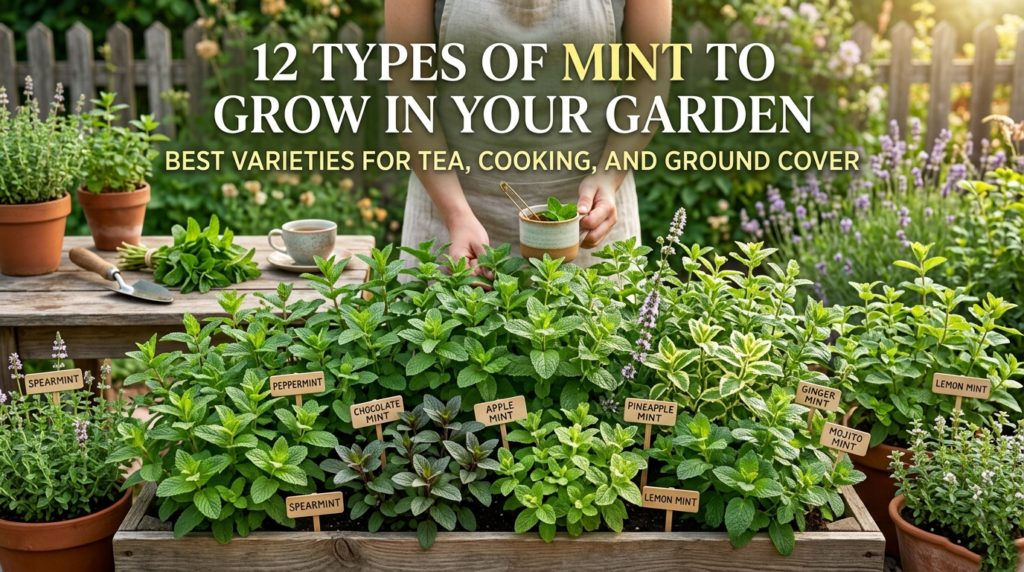
Mint is one of the most rewarding herbs you can grow in a US garden. It comes back every year without replanting. Here is why I keep growing it:
- Low-maintenance perennial: It grows fast and needs very little attention once established.
- Kitchen versatile: I use it fresh in teas, cooking, desserts, and cocktails regularly.
- Natural pest control: The strong scent keeps deer and common insects away from my garden.
- Flexible growing option: It looks great in containers on a porch or spread as ground cover in open spaces.
How to Grow Mint Successfully
Growing mint in the US is straightforward once you know the basics. Here is what works for me:
- Sunlight: Mint grows well in full sun to partial shade. Around six hours of daily sunlight is ideal.
- Soil: Use moist, rich, and well-drained soil. Adding compost before planting makes a big difference.
- Watering and feeding: Keep soil consistently moist. A light balanced fertilizer in spring is enough. Overfeeding reduces flavor.
- Controlling spread: Mint spreads aggressively. I use buried edging barriers or simply grow it in containers to keep it manageable.
1. Peppermint (Mentha × piperita)
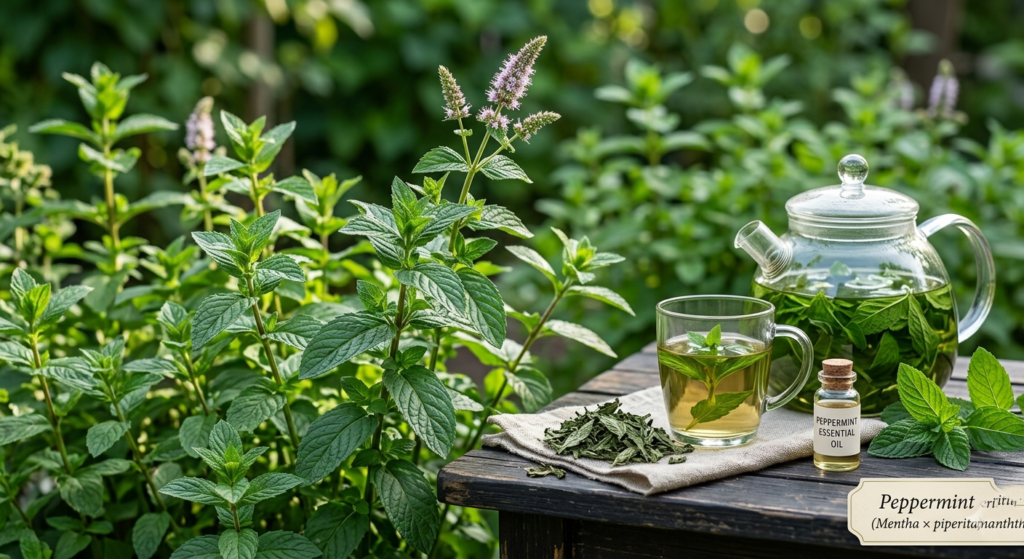
Peppermint is probably the most well-known mint in the US. It has a sharp, strong cooling taste. That comes from its high menthol content, which is higher than most other varieties.
The leaves are dark green with slightly toothed edges. The flowers are pink and bloom in summer. Plants grow 12 to 24 inches tall.
It grows in USDA Zones 5 to 9. It does well in full sun to partial shade and needs moist, well-drained soil.
Peppermint is great for making tea at home. It is also used in candies, baked goods, and desserts. Many people grow it just for tea. I brew a fresh cup on most evenings.
Grow it in a pot to keep its spreading under control. It roots fast and fills a container in one season.
2. Spearmint (Mentha spicata)
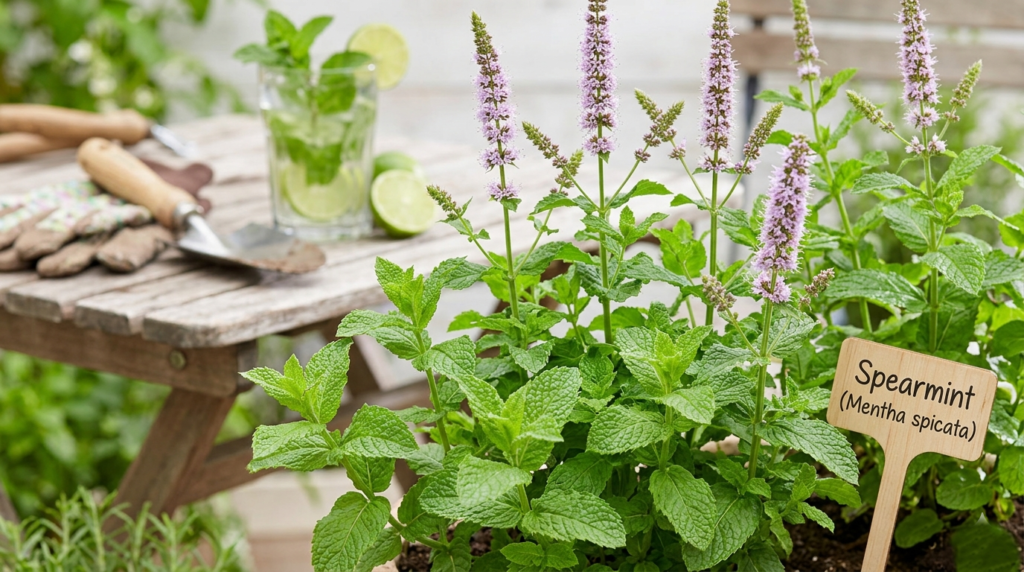
Spearmint is the variety most people picture when they think of mint. It has a milder, sweeter flavor compared to peppermint. The menthol level is much lower, so it does not have that sharp cooling punch.
The leaves come to a point, which is actually where the name comes from. Flowers are pink to pale violet and bloom on pointed spikes.
It grows in USDA Zones 5 to 9. It prefers full sun to partial shade and moist, rich, well-drained soil. Mature plants reach 12 to 24 inches tall.
Spearmint is a go-to for teas and salads. It is also the main flavor in most chewing gum. The ‘Kentucky Colonel’ cultivar is a popular choice in US gardens for its attractive foliage.
It is one of the easiest mints to grow. Even beginner gardeners have great results with it.
3. Chocolate Mint
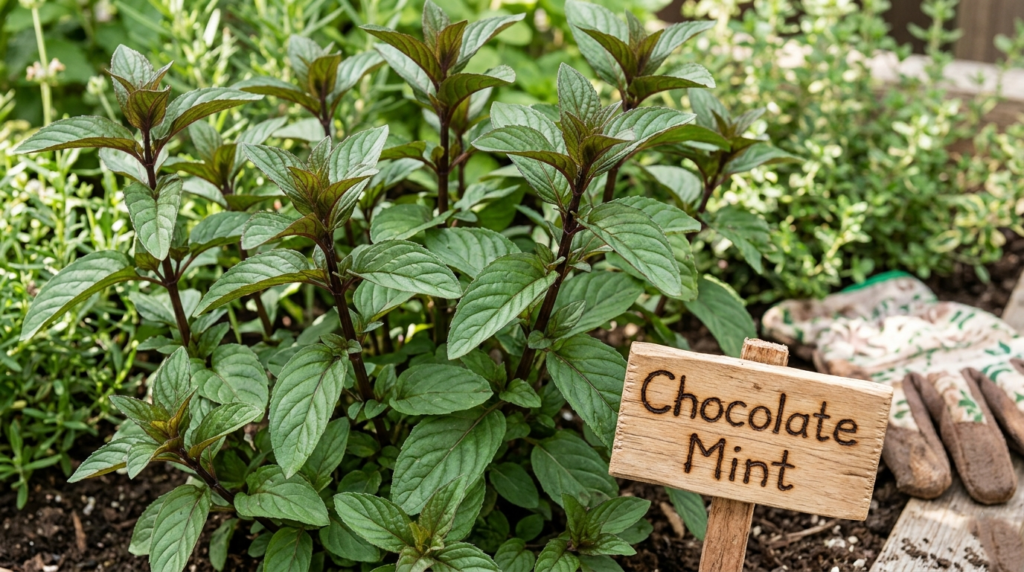
Chocolate mint is one of the more surprising varieties I have grown. The name is a little misleading. It smells like chocolate, but it actually tastes more like orange. It is a relative of peppermint.
The foliage is darker green than most other mints. It produces lavender flowers in summer. Plants grow 12 to 24 inches tall in USDA Zones 5 to 9.
It grows in full sun to partial shade and needs moist, rich, well-drained soil.
Use it to flavor drinks and baked desserts. The chocolate-orange scent also makes it a nice addition to potpourri. I find it works beautifully in flavored hot chocolate or baked cookies.
4. Apple Mint (Mentha suaveolens)
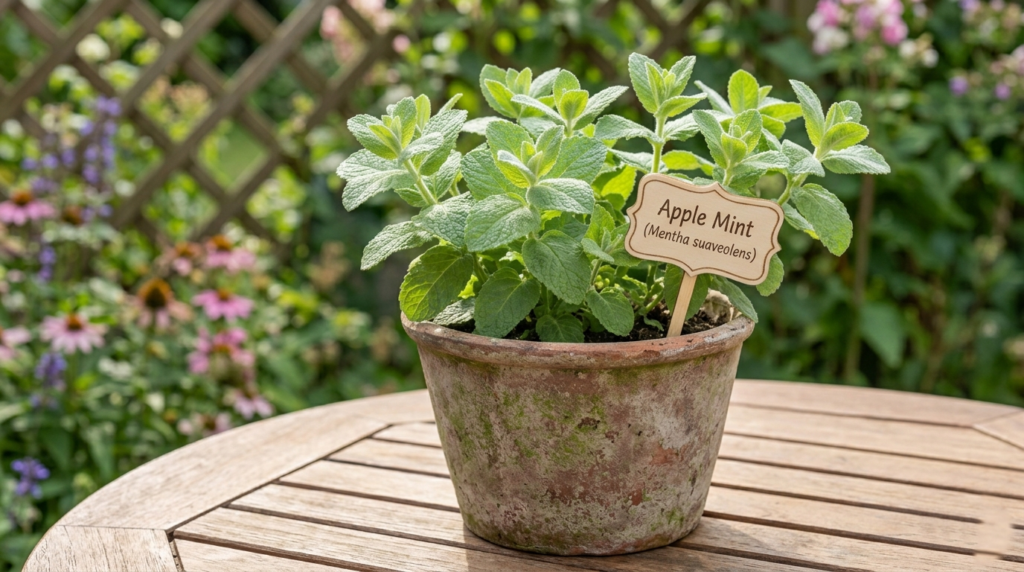
Apple mint stands out because of its soft, fuzzy leaves. The texture is different from most other mints, and the color is often a lighter green. Flowers are white or light pink.
It grows 12 to 24 inches tall in USDA Zones 5 to 9. It does well in full sun to partial shade with moist, rich, well-drained soil.
The flavor and scent are fruity and minty, which is where the name comes from. It works well in teas and fruit-based dishes. I add fresh leaves to fruit salads in summer.
It also works as a ground cover. The soft leaves and light color give an herb garden a different texture compared to other mint varieties.
5. Pineapple Mint (Mentha suaveolens ‘Variegata’)
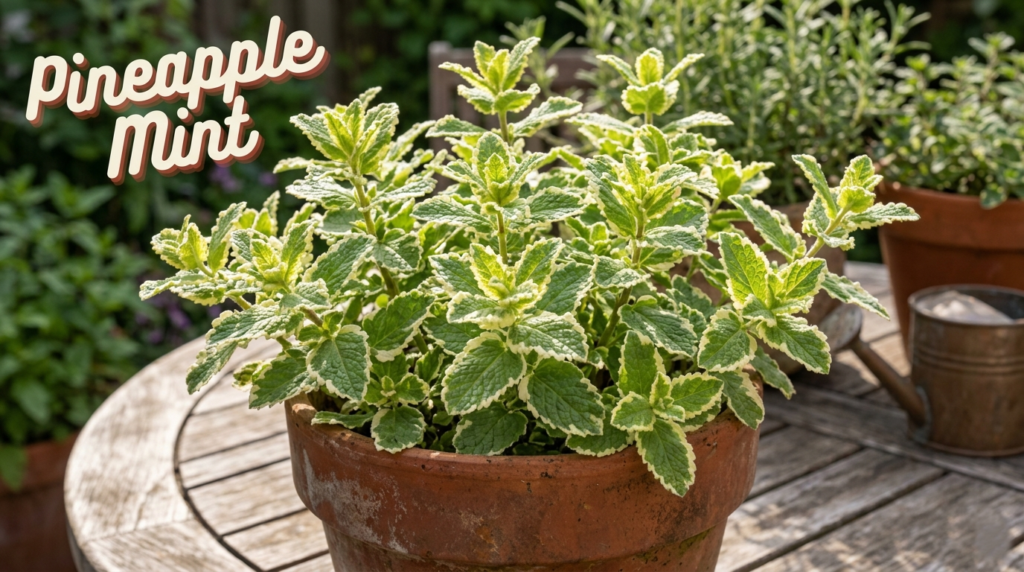
Pineapple mint is a cultivar of apple mint. What makes it special is the variegated leaves. The foliage has cream and green patterns that look beautiful in any garden.
It grows 24 to 36 inches tall, making it taller than many other varieties. It does best in USDA Zones 5 to 9. In northern US states, full sun works well. In southern states, partial shade is better to prevent leaf burn.
The scent is fruity, similar to apple mint. Use it in fruit salads, jellies, and teas. It also makes a great garnish because of the striking leaf pattern.
Many gardeners grow it purely as an ornamental. But it is fully edible, so you get both looks and function.
6. Cuban Mint (Mentha x villosa)
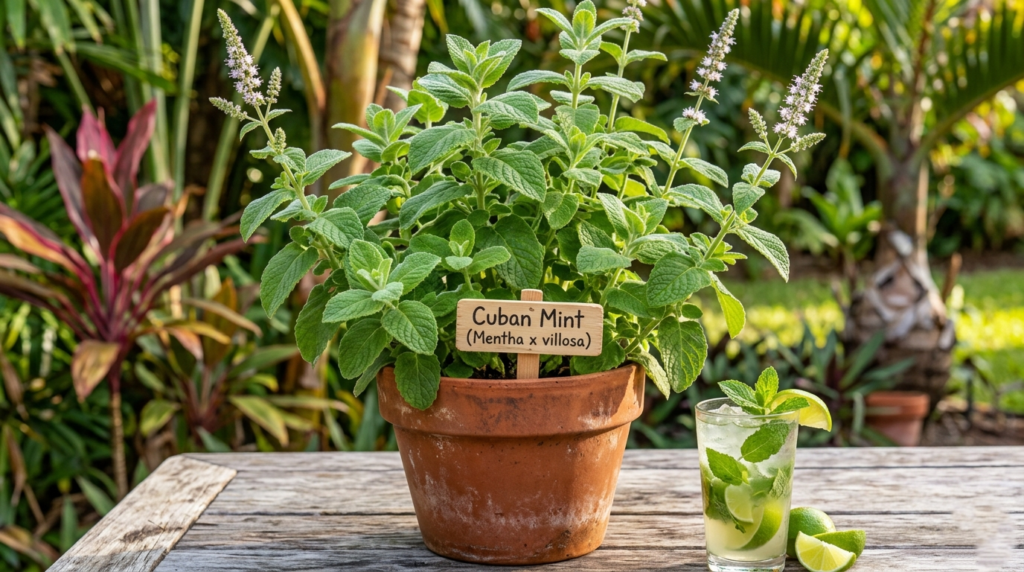
Cuban mint is the real deal when it comes to making mojitos. That is exactly how it got its name. It is the traditional mint used in this Cuban cocktail and is widely grown across the US for that purpose.
It has a strong aroma and bold flavor. Plants grow 18 to 24 inches tall in USDA Zones 5 to 9. It prefers full sun to partial shade and moist, rich, well-drained soil.
Beyond mojitos, it works well in teas. The strong flavor holds up nicely in both hot and cold drinks. If you enjoy cocktails or mocktails, this is a great variety to have growing in your garden.
7. Margarita Mint (Mentha ‘Margarita’)
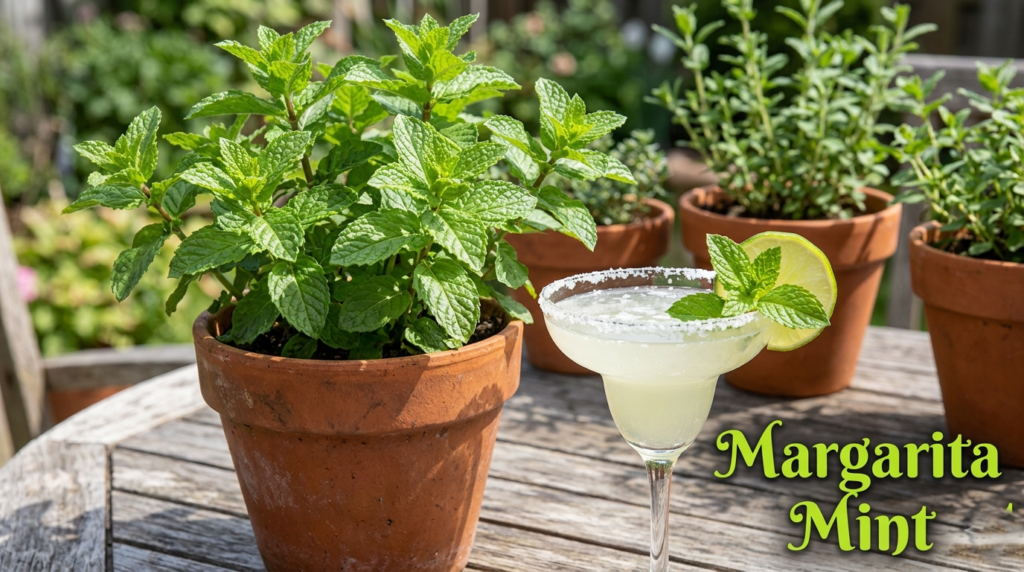
Margarita mint does exactly what the name suggests. Its lime-scented leaves make it a natural fit for margaritas and citrus-based drinks.
Unlike most mints, it spreads via above-ground runners rather than underground rhizomes. That makes it a bit less aggressive in the garden.
Plants grow 6 to 12 inches tall in USDA Zones 5 to 8. It does well in full sun to partial shade with moist, well-drained soil. The leaves are small, light green, and rounded, with bronzy tips. It also produces lilac or purple blooms.
Use it in cocktails, mocktails, and refreshing summer beverages. It is a fun plant to grow if you like making drinks at home.
8. Corsican Mint (Mentha requienii)
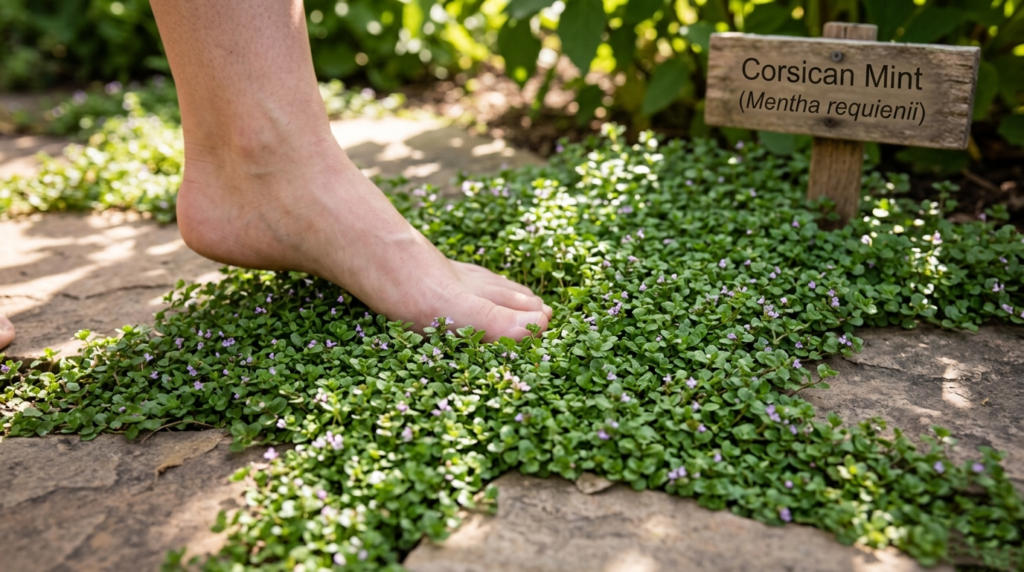
Corsican mint is tiny. It is considered a miniature mint, growing only 0.5 to 1 inch tall. That makes it completely different from most other varieties in terms of use and appearance.
It forms dense, low mats of small leaves. The flowers are lilac but so tiny they are hard to see. It grows in USDA Zones 6 to 9 and prefers full sun to partial shade with moist, well-drained soil.
It is perfect for planting between stepping stones or along pathways. When you step on it, it releases a fresh minty scent. It can handle light foot traffic, which most herbs cannot.
It is also a slower spreader than most mints, making it easier to manage.
9. Pennyroyal (Mentha pulegium)
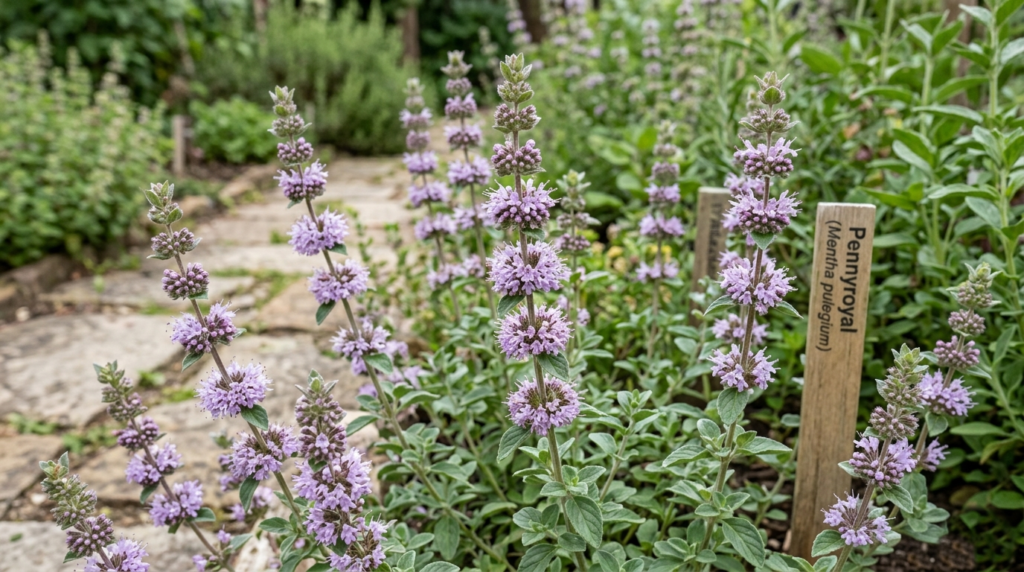
Pennyroyal is different from most mints on this list. It is not primarily used in the kitchen. Its main use in US gardens today is as an insect repellent. The strong scent keeps pests away.
It stays short, only 4 to 6 inches tall, and spreads more slowly than many other mints. That makes it a practical low ground cover. It bears lavender flowers in summer.
It grows in USDA Zones 5 to 9 in full to partial sun. It needs well-drained, rich, moist soil.
Important warning: Pennyroyal is toxic and should not be eaten. Do not use it in cooking or teas. Keep it away from pets and children. Grow it for its pest-deterring qualities only.
10. Water Mint (Mentha aquatica)
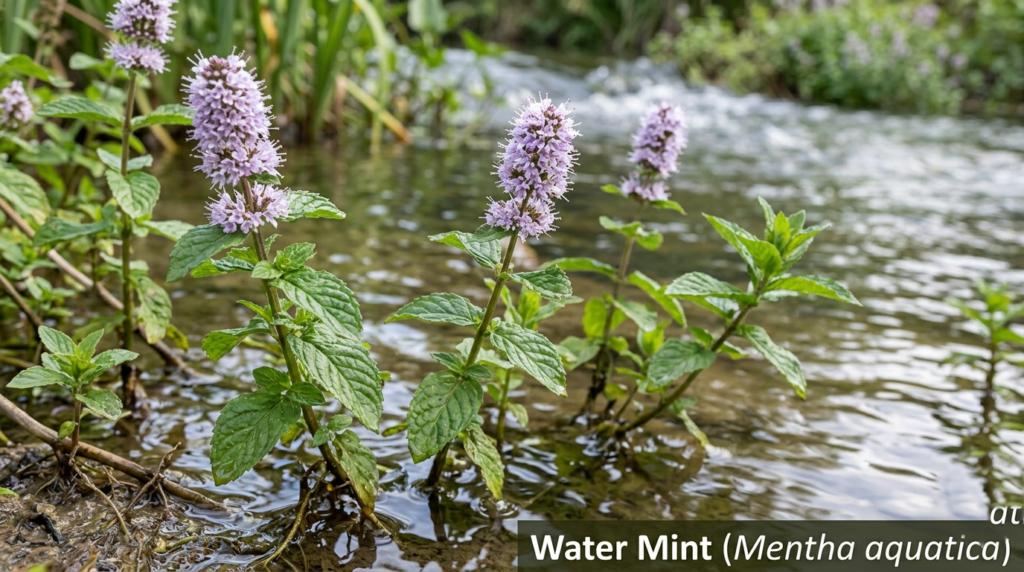
Water mint is the one variety that truly stands apart. It grows in shallow water, which no other mint on this list can do. That makes it the obvious pick for water gardens and pond edges.
It has dark green leaves with purplish veining and produces light lavender flowers. Plants grow 12 to 36 inches tall in USDA Zones 3 to 10, giving it one of the widest hardiness ranges of any mint.
It prefers full sun to partial sun. Unlike other mints, it does not need rich soil. It tolerates wetter and lower-fertility conditions well.
If you have a small backyard pond or water feature, water mint adds beauty and function.
11. American Wild Mint (Mentha canadensis)
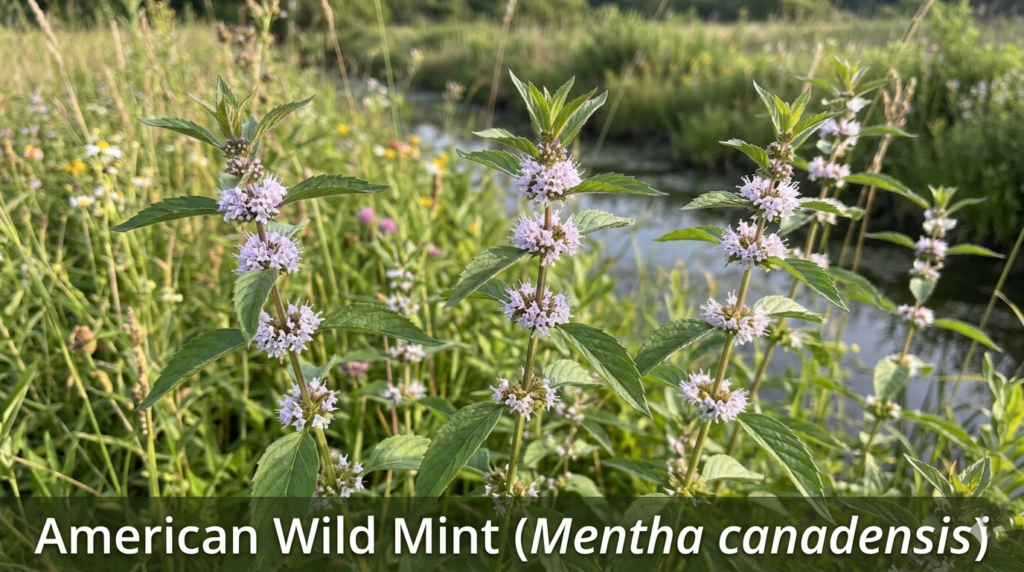
American wild mint is native to much of the US and Canada. For gardeners who prefer native plants over imported varieties, this is a great option.
It grows 18 inches tall in USDA Zones 4 to 10. It does well in full sun to partial shade with well-drained, moist soil of average fertility.
In the kitchen, it is used in candies, jellies, and teas. It also supports pollinators and local wildlife, which makes it a smart choice for native plant gardens.
I appreciate it because it fits naturally into a US garden without needing special care. It belongs here, and it shows.
12. Orange Mint
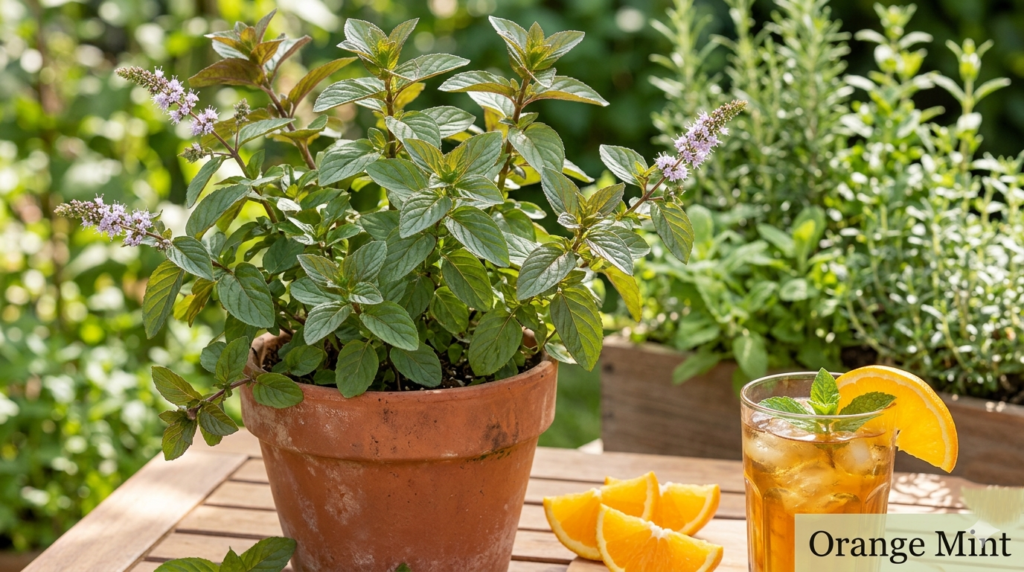
Orange mint has a light citrus-mint scent and flavor. It is a refreshing option for anyone who wants something a little different from classic mint.
It works well in teas, desserts, and summer drinks. The flavor is not overpowering. It adds a gentle citrus note without taking over.
It grows in similar conditions to most mints: full sun to partial shade, moist and well-drained soil, and USDA Zones 5 to 9. Plants typically reach 12 to 24 inches tall.
It is easy to grow and looks attractive in containers. If you like flavored water or iced tea in summer, orange mint is worth planting.
conclusion
After growing mint for several years, I can say it is one of the best additions to any US garden. The key is picking varieties that match your needs. If you cook and make drinks often, go with peppermint, spearmint, or Cuban mint. If you want something that looks good, pineapple mint is hard to beat.
You do not have to choose between culinary and ornamental varieties. Grow both. They work well together in separate containers.Fresh mint from your garden tastes better every single year. Start small, stay consistent, and it will reward you every season.
Frequently Asked Questions
Which mint is easiest to grow?
Spearmint is recommended as the easiest starter variety, with a practical tip about nursery transplants vs. seeds.
Which type of mint has the strongest flavor?
Peppermint is highlighted as the strongest-flavored, with its menthol content called out.
Can mint varieties be grown together?
The cross-pollination caveat is included for growing varieties together — a common surprise for new growers.
How do you keep mint from spreading?
The container + sunken pot method is given as the most foolproof way to control spreading.